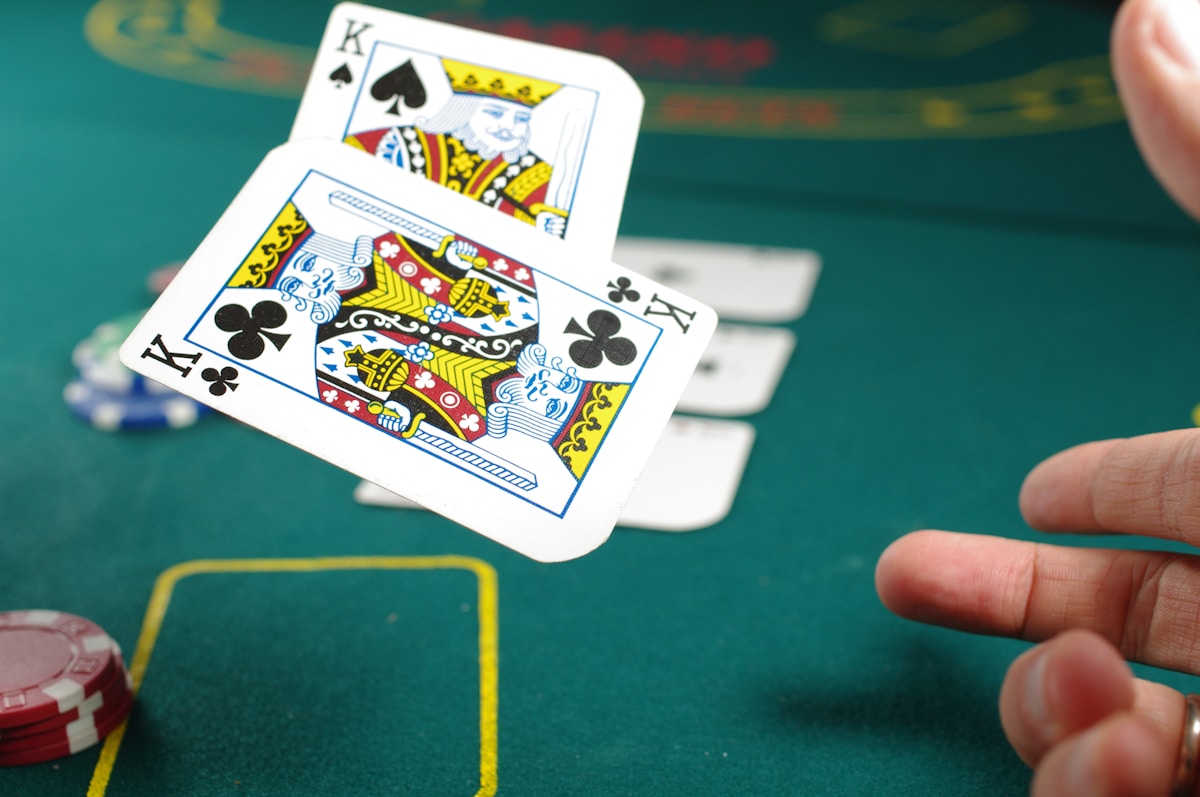
Table Game Strategy for Beginners: A Practical Guide to Smarter Play
Why Table Game Strategy Matters
Walking up to a blackjack, roulette, or poker table without a plan is a quick way to lose your money. Table games are not pure luck; they reward players who understand the odds, manage their bankroll, and make consistent decisions. For beginners, the goal is not to become an overnight expert but to learn a few core principles that reduce the house edge and make your session last longer.
This guide covers the most popular table games, the basic strategies you can apply immediately, and the common mistakes to avoid. By the end, you will know how to approach each game with a clear head and a simple plan.
Blackjack: The Best Game for Beginners
Blackjack offers the lowest house edge of any table game when played with basic strategy. The rules are simple: get closer to 21 than the dealer without going over. The key is knowing when to hit, stand, double down, or split based on your two cards and the dealer’s upcard.
Basic strategy is a mathematically proven set of decisions that reduces the house edge to under 1%. For example, always stand on 17 or higher. Always hit on 11 or lower. Double down on 11 when the dealer shows a 2 through 10. Split aces and eights, but never split tens or fives.
Learning basic blackjack strategy before you play at betmica can stretch your bankroll much further. Memorise the chart, practise online for free, and only then move to real-money tables.
Roulette: Understanding the Odds
Roulette is a game of independent spins, so no strategy can predict the next number. However, you can choose bets with better odds. European roulette has a single zero, giving a house edge of 2.7%. American roulette has double zero, raising the edge to 5.26%. Always choose European tables when possible.
Outside bets—red or black, odd or even, high or low—cover 18 numbers and pay even money. They are ideal for beginners because they win almost half the time. Inside bets like straight-up numbers pay more but hit far less often. Stick to outside bets to make your bankroll last.
Avoid the Martingale system, where you double your bet after every loss. It requires a huge bankroll and can hit table limits quickly. Flat betting or slight progression is safer.
Poker: Play Tight and Aggressive
Poker is a skill game, but beginners should start with a simple rule: play fewer hands. In Texas Hold’em, only play strong starting hands like pairs, AK, AQ, and suited connectors. Fold the rest. This tight approach keeps you out of trouble and makes your raises more credible.
Position matters. Act last when possible so you can see what others do before deciding. Bet or raise when you have a strong hand to build the pot. Check or fold when you are weak. Do not bluff too often at low stakes; opponents call too much.
Baccarat: Follow the Trend
Baccarat is simple: bet on the player, banker, or tie. The banker bet has the lowest house edge (about 1.06%), so most experts recommend it. Ignore the tie bet—it has a huge house edge of over 14%. Many players track patterns, but each hand is independent. Stick to banker or player and flat bet.
Essential Bankroll Rules for All Table Games
No strategy works if you run out of money. Follow these rules:
- Set a session budget and never exceed it.
- Divide your budget into small units—at least 20 bets.
- Walk away when you double your budget or lose half.
- Never chase losses with bigger bets.
- Take breaks every hour to stay sharp.
Common Beginner Mistakes to Avoid
Many new players lose because of simple errors. Do not play drunk or tired. Do not use complicated betting systems you do not understand. Do not assume a machine or dealer is due for a win. Each round is independent. Finally, do not play games with high house edges like keno or wheel of fortune.
Practise Before You Play for Real
Most online casinos offer free play mode. Use it to learn blackjack basic strategy, roulette bet types, and poker hand rankings without risking money. Once you feel confident, start with small real-money bets. Keep a written record of your sessions to see what works.
Final Thoughts
Table game strategy for beginners boils down to three things: choose games with low house edges, learn the basic decisions, and manage your bankroll. Blackjack and baccarat are your best starting points. Roulette is fine if you stick to outside bets. Poker requires more study but rewards patience. Apply these principles and you will enjoy longer, more controlled sessions.